
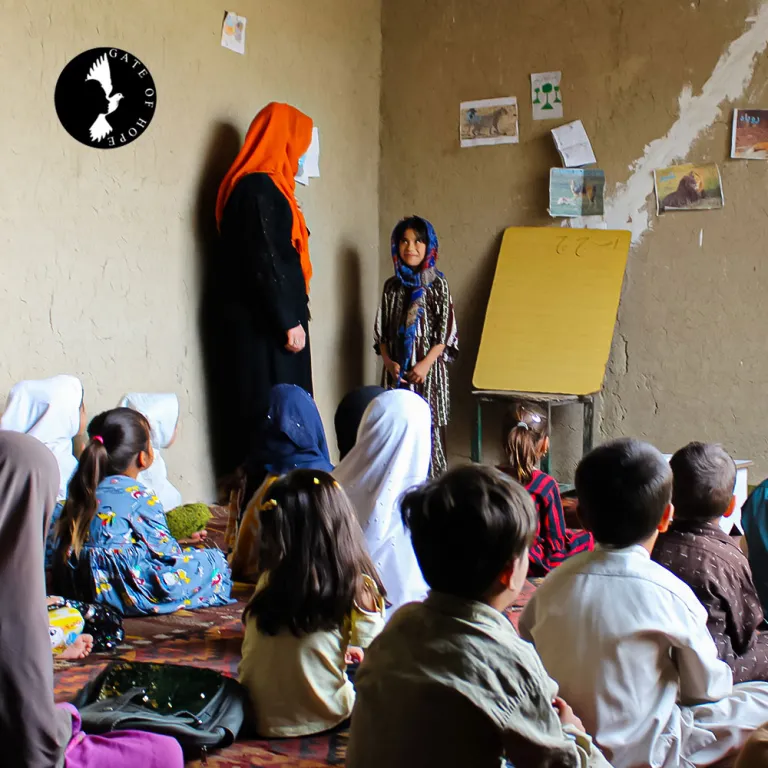
Nonprofit organizations in Afghanistan play a pivotal role in addressing some of the country’s most pressing challenges. Despite facing obstacles such as political instability, economic difficulties, and ongoing conflict, these organizations remain steadfast in their mission to provide humanitarian aid, education, healthcare, and more. The strength of these organizations lies in their ability to adapt to Afghanistan’s ever-changing circumstances while remaining committed to improving the lives of those in need.
Afghan Relief Organizations: Essential Support in Times of Crisis
Afghan relief organizations are at the forefront of providing immediate assistance during times of crisis, such as natural disasters or political upheaval. These organizations focus on delivering food, medical supplies, and shelter to displaced individuals and families. With Afghanistan experiencing frequent floods, earthquakes, and other disasters, Afghan relief organizations have become indispensable in ensuring the survival and well-being of affected populations. Their work often extends beyond mere emergency relief, providing long-term recovery efforts to help rebuild communities and restore stability.
A Lifeline for Vulnerable Populations: Healthcare and Education Initiatives
One of the primary focuses of nonprofit organizations in Afghanistan is improving access to healthcare and education. For many years, healthcare services have been limited in rural and conflict-affected areas of Afghanistan. Nonprofit organizations have stepped in to fill the gap, offering medical assistance, building clinics, and training healthcare professionals. Similarly, the educational sector has suffered from lack of resources, with millions of children unable to attend school. Afghan relief organizations have worked tirelessly to set up schools, provide scholarships, and offer vocational training to give young Afghans a chance at a better future.
The Power of Local Partnerships in Strengthening Afghan Relief Organizations
Collaboration with local organizations and communities is essential for the success of Afghan relief organizations. Local knowledge and expertise play a vital role in understanding the specific needs of a community. By partnering with Afghan communities, these organizations can design and implement more effective programs that resonate with local culture and traditions. The relationship between Afghan relief organizations and local partners ensures that efforts are not only sustainable but also more impactful in the long term.
Challenges Faced by Nonprofit Organizations in Afghanistan
Operating in Afghanistan is no easy task. Nonprofit organizations face numerous challenges, including security threats, lack of infrastructure, and limited funding. The fluctuating political climate also complicates the work of these organizations. Despite these difficulties, nonprofit organizations in Afghanistan remain resilient, working in coordination with international donors and governments to continue their critical work. In recent years, the global community has been more aware of the importance of supporting Afghan organizations to ensure lasting peace and development in the region.
Innovative Solutions for a Better Future in Afghanistan
Amidst adversity, nonprofit organizations in Afghanistan have found innovative solutions to address challenges. With the help of technology, some organizations have been able to implement digital learning platforms for children in remote areas, offering virtual education when schools are closed. Others have leveraged mobile health clinics to reach people in inaccessible locations, providing much-needed medical attention. These creative approaches highlight the resourcefulness of Afghan relief organizations and their ability to adapt to Afghanistan’s complex needs.
Conclusion
The contributions of nonprofit organizations in Afghanistan and Afghan relief organizations are vital in shaping a brighter future for the country. Their work has made significant strides in improving healthcare, education, and disaster relief, but much work remains. The dedication of these organizations, coupled with global support, is essential for achieving long-term stability and prosperity in Afghanistan. To learn more about how you can contribute to these efforts, visit goh-afg.org, where opportunities to support ongoing projects and initiatives are available. Through these relentless efforts, Afghanistan is on a path to healing, growth, and prosperity, one community at a time.